

How to Plan a Renaissance Faire Outfit From the Base Layer Up
A good Renaissance Faire outfit begins with the layer that touches your skin, not with the most dramatic cloak or accessory. When the base is comfortable, every belt, vest, armor piece, and outer layer sits more naturally. It also becomes easier to adjust the outfit for heat, rain, long walks, and crowded paths.
Plan the outfit as a working system. Choose each piece for its role, check how it fits over the previous layer, and test the full combination before the event. That approach produces a more convincing silhouette without sacrificing movement or comfort.
Start with the Faire, season, and character
Before buying clothing, write down three practical facts: the expected weather, how long you will be on your feet, and the type of character you want to suggest. A merchant, ranger, courtier, guard, and traveling craftsperson can all wear period-inspired layers, but they need different colors, shapes, and accessories.
Use one short description to guide the outfit, such as “woodland traveler in muted brown and green” or “town artisan in natural linen and dark leather.” This prevents unrelated pieces from accumulating just because each one looks medieval on its own.
Check the Faire's current costume, prop, footwear, and bag rules. A realistic-looking weapon, large shield, trailing garment, or rigid armor component may be restricted even when it is part of a costume.
Choose a breathable base layer
The first visible layer is usually a shirt or tunic. It should cover the torso comfortably, allow full arm movement, and remain wearable when outer pieces come off. Natural-looking fabric, restrained trim, and a simple neckline create a useful foundation for many character types.
The active black short-sleeve linen tunic listing describes natural linen, a traditional open collar, handmade construction, and personalization. The listing includes one tunic. Because product options and production timing can change, confirm the selected size, included item, and current timing on the live page before ordering.
Wear the base layer at home for at least an hour. Raise both arms, sit, bend, and carry the bag you plan to use. Check the neckline, underarms, and waist after movement rather than judging fit only while standing still.

Add the main garment without hiding the base
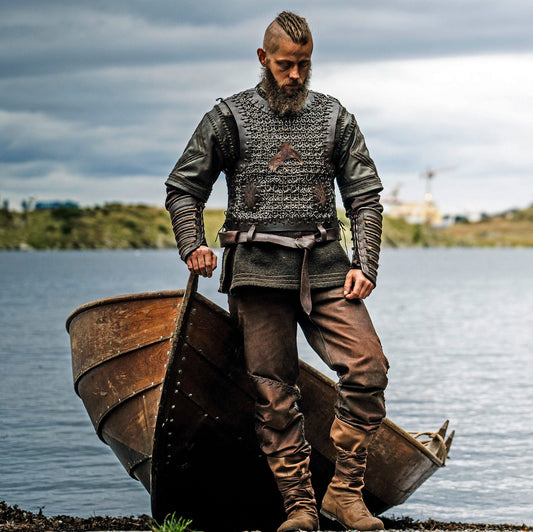
The next layer creates the character's strongest shape. It may be a vest, overdress, fitted doublet, sleeveless coat, or light leather piece. Leave enough of the shirt or tunic visible at the neckline, sleeves, and hem so the layers read clearly instead of becoming one dark block.
Match the weight of the second layer to the weather. A substantial leather vest can work well on a cool day, while a lighter fabric layer is easier to tolerate in direct sun. If the outer layer cannot be removed without ruining the costume, the base outfit is not doing enough work.
Limit the palette to two or three main colors. Black, brown, natural linen, muted green, burgundy, and gray combine easily, but identical dark values can erase detail in photographs. Contrast a dark vest with a lighter shirt, or use texture and a visible belt to separate similar colors.

Use the waist to organize the silhouette
A belt visually connects the upper and lower layers and gives small essentials a logical place. Put the main belt near the natural waist or where the garment is designed to be belted. Test it after eating, sitting, and walking; a belt that feels correct for a mirror photograph can become restrictive after several hours.
Add only the pouches and accessories you will actually use. Phone, payment card, identification, room key, water, and medication need secure, accessible storage. A second decorative belt can add depth, but several heavy belts may pull clothing out of shape or create pressure points.
Keep buckles from rubbing directly against finished leather or delicate fabric. If a pouch swings into your leg while walking, shorten its strap or move it before the event.
Plan trousers, skirts, and footwear together
Lower garments should allow a full stride and work with the chosen footwear. Test stairs, uneven ground, and sitting. Long hems look impressive but can collect mud or catch under a boot; very loose trousers may bunch inside tall footwear.
Choose boots or shoes for the actual surface. Many Faires involve grass, gravel, slopes, and long periods of standing. Break footwear in beforehand, use the socks and insoles you plan to wear, and bring comfortable backup shoes. Hide modern comfort features when practical, but never trade safe footing for appearance.
Browse the broader collection directory to compare clothing, belts, boots, and armor, then verify every live listing separately. A photograph may show styling pieces that are not included with the named product.
Add outer layers only after the core outfit works
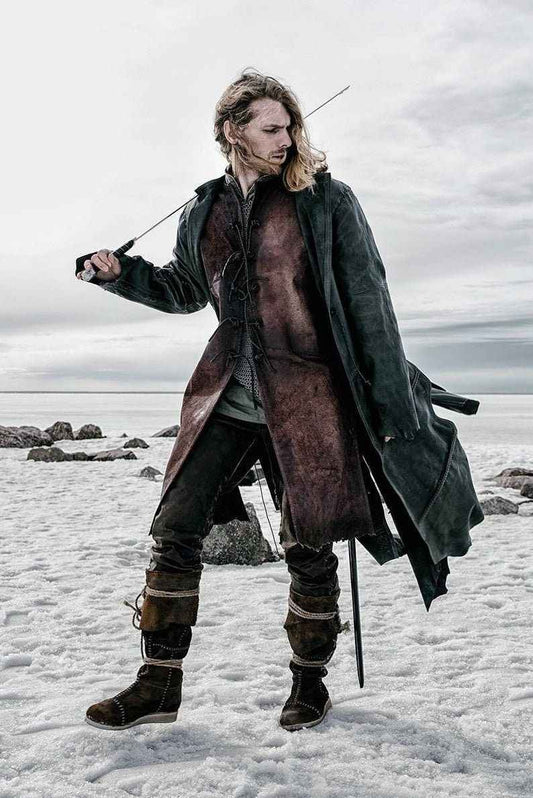
A cloak, coat, hood, bracer, or armor piece should solve a specific visual or practical problem. Put on the complete core outfit first. If the character already reads clearly, one outer layer may be enough.
For warm weather, make every heavy piece removable and plan where it will go. For cold or wet conditions, check that the cloak or coat closes over the layers beneath it without restricting the shoulders. Do not rely on an untested costume garment as rain protection.
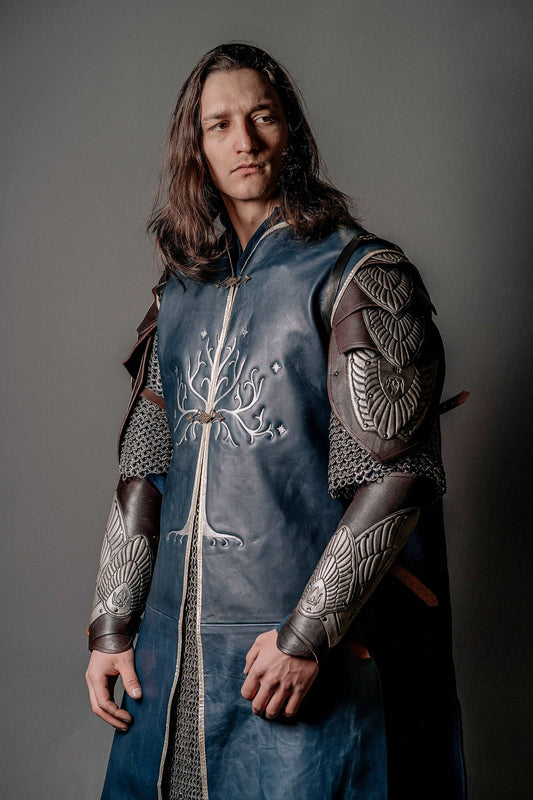
Structured armor changes reach, balance, and heat retention. Test it with the actual belt and bag. If a rigid piece presses into the body, blocks breathing, or creates numbness, remove it and correct the fit rather than trying to tolerate it through the day.
Measure for the full layered outfit
Measurements taken over bulky clothing can produce the wrong result, while measurements taken over bare skin may ignore a planned underlayer. Follow the maker's instructions and identify which garments will sit under the piece. Use the SokolArmory measurement guide as the starting point and ask for clarification when a listing requests additional dimensions.
Do not assume the same labeled size fits every product. Compare the live size guidance, selected variant, customization details, and order confirmation before production begins.
Run a full dress rehearsal
Wear the complete outfit for at least an hour several days before the Faire. Walk outside, sit on a bench, climb stairs, reach for your phone, drink water, and use a restroom. Photograph the front, back, and sides so you can spot twisting belts, uneven hems, exposed modern labels, and pieces that overlap awkwardly.
Then remove one outer layer. The reduced outfit should still look intentional. This gives you a safe plan for heat or fatigue and makes the costume more adaptable throughout the day.
Pack in dressing order
Make a written inventory and pack the first items you put on at the top: base garments, trousers or skirt, main layer, belts, pouches, outerwear, and accessories. Keep footwear separate from clean fabric. Use breathable storage for clothing and supportive containers for structured leather pieces.
Bring water, sunscreen, weather protection, clean socks, a small venue-compliant repair kit, and an empty bag for damp clothing. Do not seal wet leather or fabric in plastic for a long trip. Count every detachable part before leaving home and again before leaving the Faire.
Renaissance Faire outfit checklist
- A clear character direction and limited color palette.
- A comfortable, breathable base shirt or tunic.
- One main shaping layer such as a vest, overdress, or coat.
- A tested belt with secure storage for essentials.
- Lower garments that allow a full stride.
- Broken-in footwear plus comfortable backup shoes.
- Removable outer layers for changing weather.
- Measurements checked for the intended layers.
- A full dress rehearsal with sitting, walking, and carrying a bag.
- A written packing list and current Faire rules.
Explore the SokolArmory costume collection for complete looks and separate pieces, but build from the base outward. A practical foundation makes the outfit easier to wear, easier to adjust, and more coherent in person and in photographs.


User Name 2 Days ago
Lorem ipsum dolor sit amet, consectetuer adipiscing elit. Aenean commodo ligula eget dolor.